Optimal Timing for Piano Moves

These seasons typically offer mild weather conditions, reducing risks associated with extreme temperatures and weather disruptions.

Scheduling during off-peak times can help avoid delays and higher costs, making the process smoother.

Choosing days with stable, moderate weather minimizes exposure to moisture and temperature fluctuations that can affect pianos.
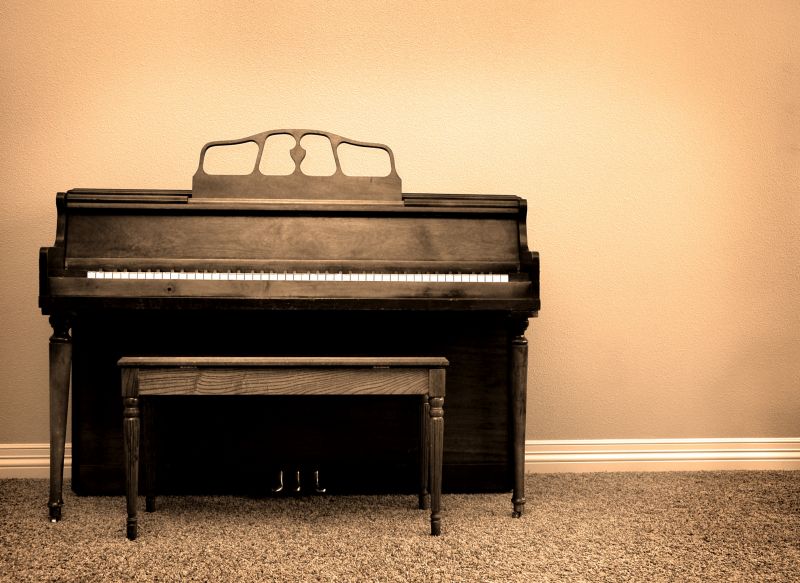
Ways to make Piano Movings work in tight or awkward layouts.
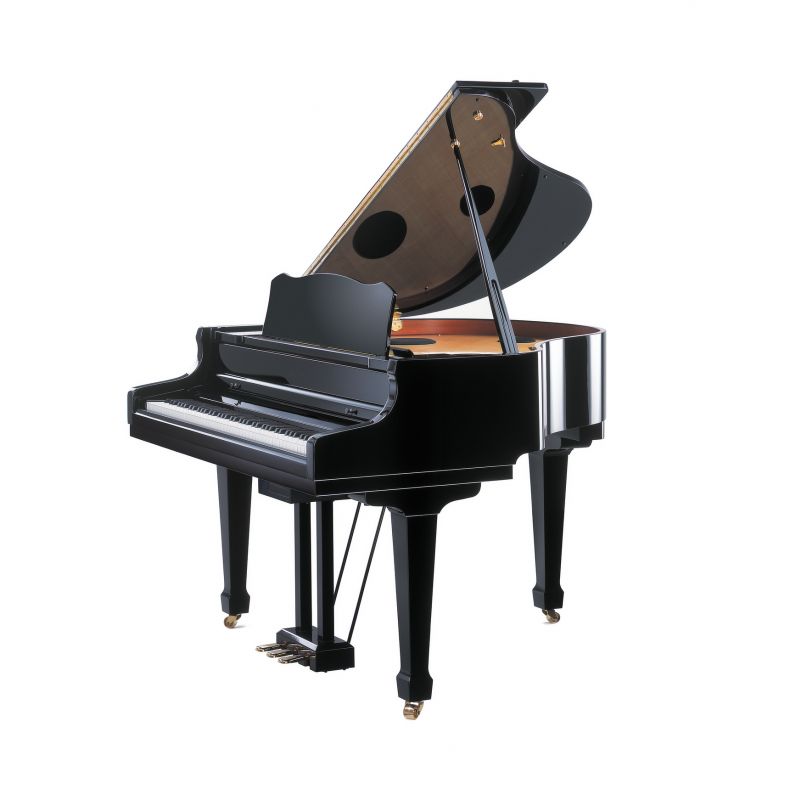
Popular materials for Piano Movings and why they hold up over time.
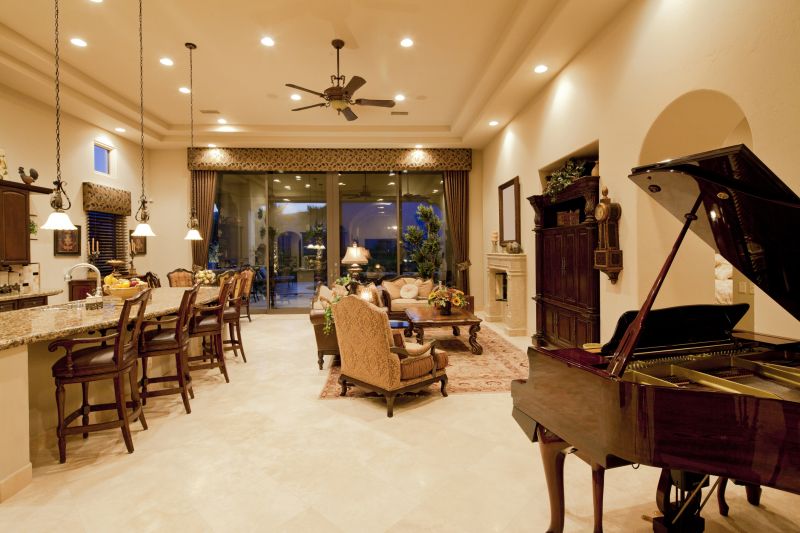
Simple add-ons that improve Piano Movings without blowing the budget.
Piano moving requires careful planning to ensure the instrument's safety and integrity. The best time for such a move often depends on weather conditions, availability, and logistical considerations. Mild temperatures and dry conditions help prevent damage caused by humidity or temperature extremes. Planning during seasons with predictable weather minimizes the risk of delays and complications during transit.
Statistics indicate that over 60% of piano damages occur due to improper handling or adverse weather during moves. Proper timing, combined with experienced movers, can significantly reduce these risks. Additionally, scheduling moves during daylight hours allows for better visibility and safer handling of the instrument.
Extreme cold or heat can cause wood expansion or contraction, risking damage during transport.
Spring and fall generally provide optimal conditions for piano moves due to moderate temperatures.
Early scheduling ensures availability of experienced movers and suitable weather windows.
Moving during daylight hours enhances safety and allows for better handling of the instrument.